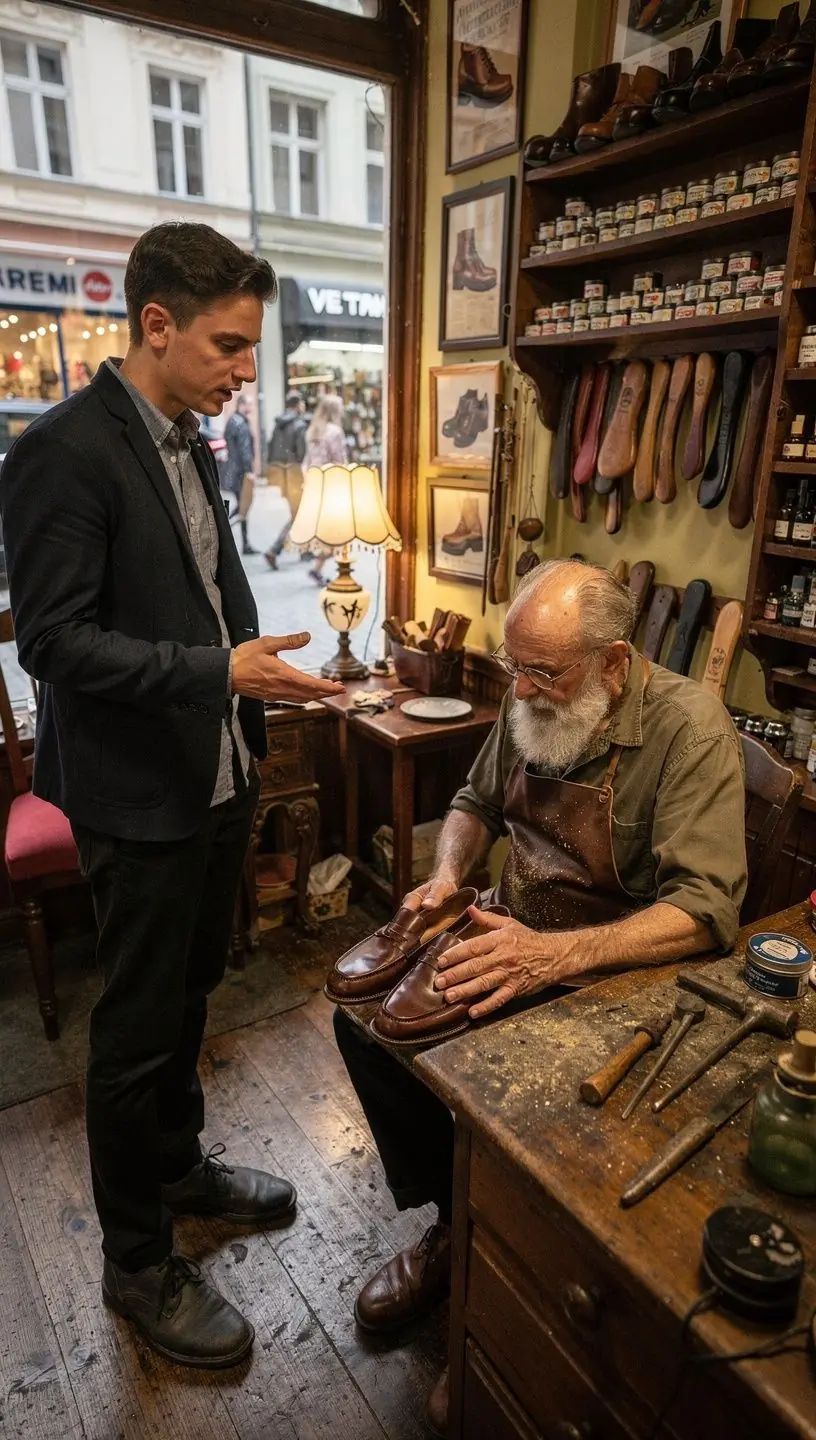
A Step-by-Step Guide to Shoe Dyeing
Shoe dyeing can transform your footwear, giving them new life and a fresh look. In this guide, we will walk you through the process of dyeing shoes, ensuring you understand the steps involved and the considerations to keep in mind for successful results.
Understanding the Basics of Shoe Dyeing
Shoe dyeing typically involves changing the color of your footwear using specific dyes designed for leather or synthetic materials. Experts recommend using high-quality dyes that penetrate the material effectively, as this helps achieve a more lasting and vibrant finish. It’s important to note that results can vary based on the shoe material and condition.

"Quality dyeing products can significantly enhance the longevity and appearance of your shoes." - Industry Experts
Materials You Will Need
- Dye: Choose a dye that is suitable for the material of your shoes (leather, fabric, etc.).
- Cleaning Supplies: A soft brush, mild soap, and a cloth for cleaning the shoes before dyeing.
- Protective Gear: Gloves and a mask to protect your skin and lungs from chemical fumes.
- Sealer: A finishing product to protect the dyed surface.
Step-by-Step Process
- Clean Your Shoes: Remove dirt and grime using a soft brush and mild soap. This step is crucial as it allows the dye to adhere better. Many users report that neglecting this step leads to uneven coloring.
- Test the Dye: Before applying dye to the entire shoe, do a patch test on a small, inconspicuous area. This helps you see how the shoe material reacts to the dye.
- Apply the Dye: Using a clean cloth or brush, apply the dye evenly to the shoe. Work in small sections to ensure thorough coverage. In most cases, multiple coats are necessary for optimal results.
- Let It Dry: Allow the dye to dry completely, typically for 24 hours. This is essential for the dye to set properly.
- Seal the Dye: Once dry, apply a sealer to protect the new color. This step can extend the lifespan of your dye job.
Tips and Considerations
Dyeing your shoes can be a rewarding experience, but it does come with challenges. Here are a few tips to keep in mind:
- The process typically takes several hours, including drying time. Be prepared to invest time for the best outcome.
- Not all materials accept dye equally. For example, synthetic materials often don’t absorb dye as well as leather, which can impact results.
- It might be beneficial to seek professional help if you are unsure about dyeing delicate materials or intricate designs.
Conclusion
Shoe dyeing can breathe new life into your favorite footwear, offering an effective way to change their appearance. By following these steps and understanding the materials and process involved, you can achieve a satisfactory result. Remember, while this guide provides a thorough overview, practice and patience are key factors in achieving the best results. For those looking to maintain their shoes long-term, consider reaching out to a professional shoe repair atelier for advice or assistance.
Learn More