The Process of Restoring Vintage Footwear
Restoring vintage footwear is an art that combines care, craftsmanship, and a profound understanding of materials. With the right methods, you can breathe new life into your beloved shoes, ensuring they remain functional and fashionable for years to come.
Understanding the Value of Vintage Footwear
According to industry experts, vintage shoes often carry not just historical significance but also substantial sentimental value. Restoration allows enthusiasts to hold onto these memories while benefiting from the shoes' unique designs and quality craftsmanship typical of earlier eras.
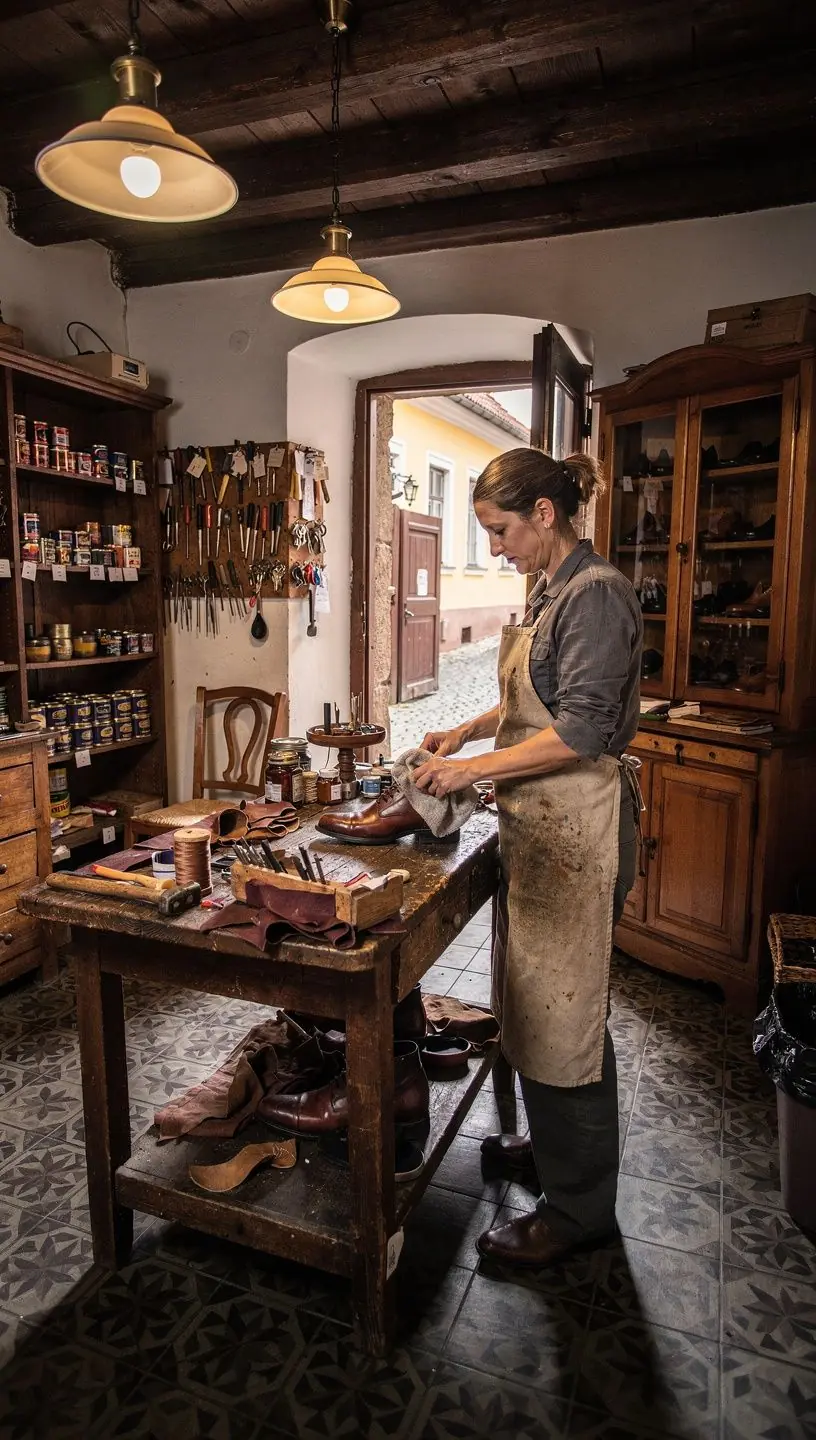
"Restoration is not just about preserving footwear; it's about preserving stories and memories associated with them."
The Restoration Process Explained
Typically, the restoration process involves several critical steps:
- Assessment: Experts begin by examining the condition of the shoes, identifying areas of damage and wear. This step is crucial as it helps in determining the best restoration approach.
- Cleaning: The shoes are thoroughly cleaned using appropriate techniques tailored for the materials involved. Research indicates that effective cleaning can significantly enhance the final appearance.
- Repairs: Broken stitching, detached soles, and other structural issues are repaired using reliable techniques. Many users report that these repairs can prolong the life of the shoes for several more years.
- Conditioning: Leather shoes, in particular, benefit from conditioning treatments that restore suppleness and shine. Experts recommend regularly conditioning leather to maintain its quality.
- Finishing Touches: Finally, details such as polishing or repainting are addressed to ensure the shoes look their best. This step often involves using industry-standard products that ensure durability.
Time and Commitment Required
Restoring vintage footwear typically takes between 2-4 weeks, depending on the condition and extent of repairs needed. It’s essential to understand that this process requires a significant commitment to maintain the shoes properly after restoration.
Acknowledging Limitations
It's important to note that not all shoes are suitable for restoration. For example, heavily damaged synthetic materials may not yield satisfactory results. Furthermore, restoration may not be ideal if the shoes are not cared for post-restoration, as neglect can lead to recurring issues.
Conclusion: A Sustainable Choice
Investing time in restoring vintage footwear not only revitalizes your shoes but also contributes to sustainable fashion practices. By choosing to restore rather than replace, you embrace a more environmentally friendly approach. Remember, the journey of restoring vintage footwear can be as rewarding as wearing them. If you're seeking to restore your vintage collection, consider reaching out to a professional atelier that specializes in these services.